Why Regenerative Living? | Moving Beyond Sustainable Living
What’s So ‘Regenerative’ About This?
All these words that get bandied about these days… What do they even mean, and what gives us the right to claim them?
The word ‘regenerative’ is most commonly applied to land design and land practices, so what is it doing here as a reference to life design?
Well, let’s start by putting it in relation to sustainability – that other buzzword. If you asked someone how their marriage was going and they said, ‘It’s sustainable,’ what would you think? Would you be excited for them? Probably not.
That’s because sustainability promises nothing more than endurance of the status quo. Things have enough life in them to persist. But often the same issues keep showing up again and again.
For an Individual
This often means that there is a particular project or area in their life that just doesn’t move forward.
Or that their life as a whole is not able to move towards the future that their soul yearns for.
In a Group
This stasis means that important topics never feel resolved in a way that allows everyone to move on and tackle new projects.
It can also present itself through a system in which those who put in the most time and energy end up burnt out and/or resentful, and feeling like they just don’t want to play any more.
Your most valuable members of the group are lost along the way.
Regeneration, on the other hand, suggests that things are going to grow better and better. They will be continually enhanced. There is more and more life flowing into them. Energy is building, enthusiasm is flowing.
What makes this possible?
For a start, good design. Crucially, that design needs to come out of understanding the essence of whatever the living thing is.
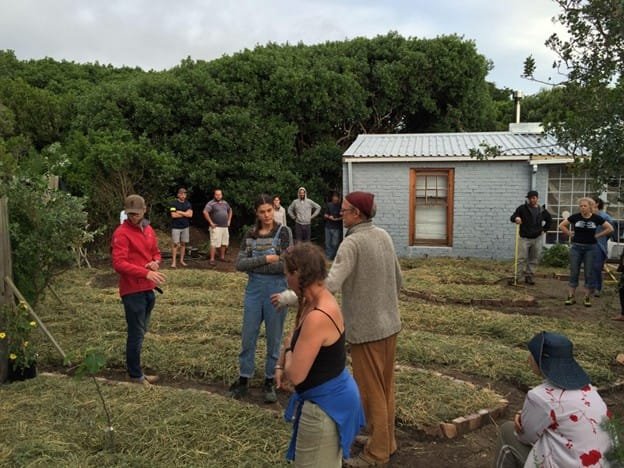
If it’s a piece of land, regenerative land design practices (such as permaculture) take time to understand the unique characteristics of it. Then, instead of just applying a successful design or practice from someplace else, they work with those unique characteristics.
It’s the same with people. A design that worked for someone else can not be applied across the board. That would be to design a life from the outside in (which we tend to call ‘programming’). What we really want is to design our lives from the inside out.
Working with values is a highly effective way to do this, because it gets us down to the essence of a person.
The combination of values we hold are not only unique in comparison to other people, but are also specific to a time and place.
As we evolve as people, so our values evolve. The things that matter change over time.
This means that to keep growing we must constantly be aware of what’s important to us right now. If we keep in touch with our values, and use them to actively guide our decisions, we keep evolving – and can do so at a faster rate.
Working with the reality of who we truly are tends to remove so much friction from our lives. It’s hard work trying to be someone we are not. A lot of energy is burnt up.
Values-Based Decision-Making allows us to get in touch with who we are and who we want to become - be it as an individual or a group or a business - and provides tools and practices to get us there.
The realisation of that future changes who we are, and makes us eligible to step towards an even brighter future - one we couldn’t previously see, or believe was possible.
And so we can move forward towards that, in a continuing cycle of regeneration.
Doesn’t that sound like the only type of design that’s worthwhile?